


Freehold vs unit title – and what that actually means for you
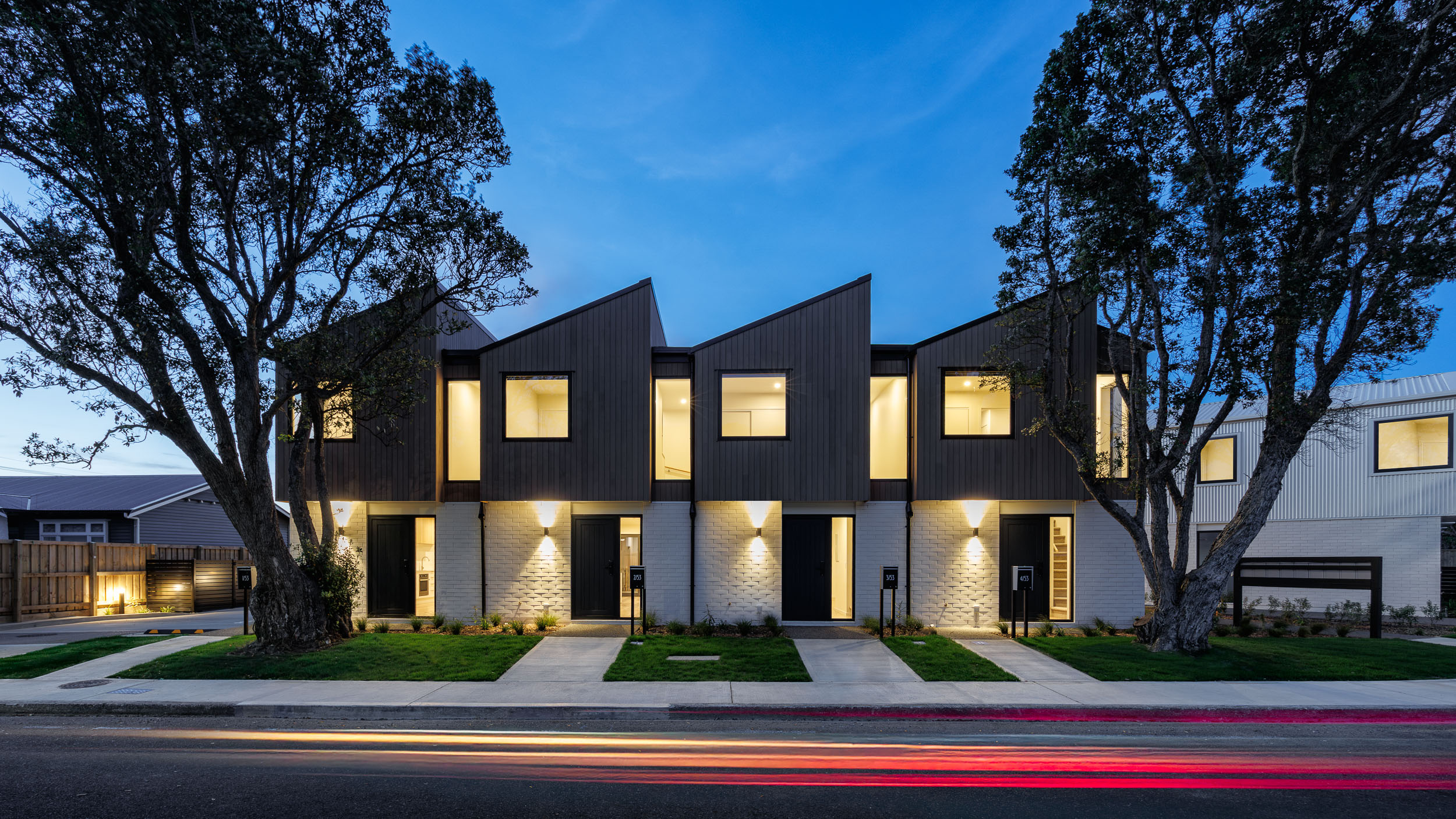

When you’re buying a home, you’ll often hear the terms freehold, fee simple, unit title, body corporate, or residents society thrown around. They can sound technical (and a bit intimidating), but the differences are actually pretty straightforward once you break them down.
Here’s our plain-English guide.
What is freehold (fee simple)?
Freehold and fee simple mean the same thing. This is the most common and simplest form of property ownership in New Zealand.
When you buy a freehold home, you own:
- The home itself
- The land it sits on
- Everything within your boundary lines
There’s no shared ownership of the land and no automatic requirement to be part of a body corporate.
In most cases, that means:
- No monthly body corporate fees
- More control over your own property
- Fewer rules about how you live in or maintain your home
At Faisandier, the majority of our homes are freehold. We know many buyers, especially first-home buyers, value clarity, independence, and predictable costs.
What is a unit title?
A unit title is common with apartments and some townhouse developments.
With a unit title, you own:
- Your individual apartment or unit
- A share in the common property (like driveways, lifts, stairwells, roofs, or shared courtyards)
Because parts of the building and land are shared, unit titles come with a body corporate.
Body corporate – what does that mean?
A body corporate is a legal entity made up of all unit owners in a unit-titled development. It exists to manage and maintain the shared areas of the property.
That usually includes:
- Building insurance
- Maintenance of common areas
- Long-term maintenance planning
- Collecting regular body corporate fees
Body corporate fees can vary widely depending on the building – especially if there are lifts, car stackers, or complex shared systems.
Body corporates can be a good thing, but they do mean:
- Ongoing fees
- Formal rules and processes
- Less individual control over shared decisions
So where does a residents society fit in?
A residents society is different from a body corporate and is most often associated with freehold townhouse developments.
With a residents society:
- Each home is still freehold
- The society only looks after limited shared items (for example, a shared driveway or landscaped entrance)
- Costs are usually lower than a body corporate
- Rules tend to be simpler and less restrictive
Think of a residents society as a lighter-touch approach – there to keep shared spaces tidy and functional, without the complexity of a full body corporate.
Freehold + residents society vs unit title + body corporate
Here’s a simple way to think about it:
- Freehold + residents society
You own your home and land, with minimal shared responsibility and lower ongoing costs. - Unit title + body corporate
You own your unit, share ownership of common areas, and contribute to regular body corporate fees and decisions.
Neither is “right” or “wrong” – it comes down to lifestyle, budget, and how much involvement you want in shared decision-making.
Why this matters when you’re buying
Understanding the title type helps you:
- Budget accurately for ongoing costs
- Know what rules apply to your home
- Decide how much independence you want as an owner
It’s also something your lawyer and mortgage broker will want to talk through with you before you commit.
Read more customer stories
Explore more resources
Explore more new and updates
August build update
Is a townhouse a good first home in NZ?
Are townhouses cheaper than standalone houses?
Chat with our team about current availability and start your journey home today.
Contact us