


Are townhouses cheaper than standalone houses?
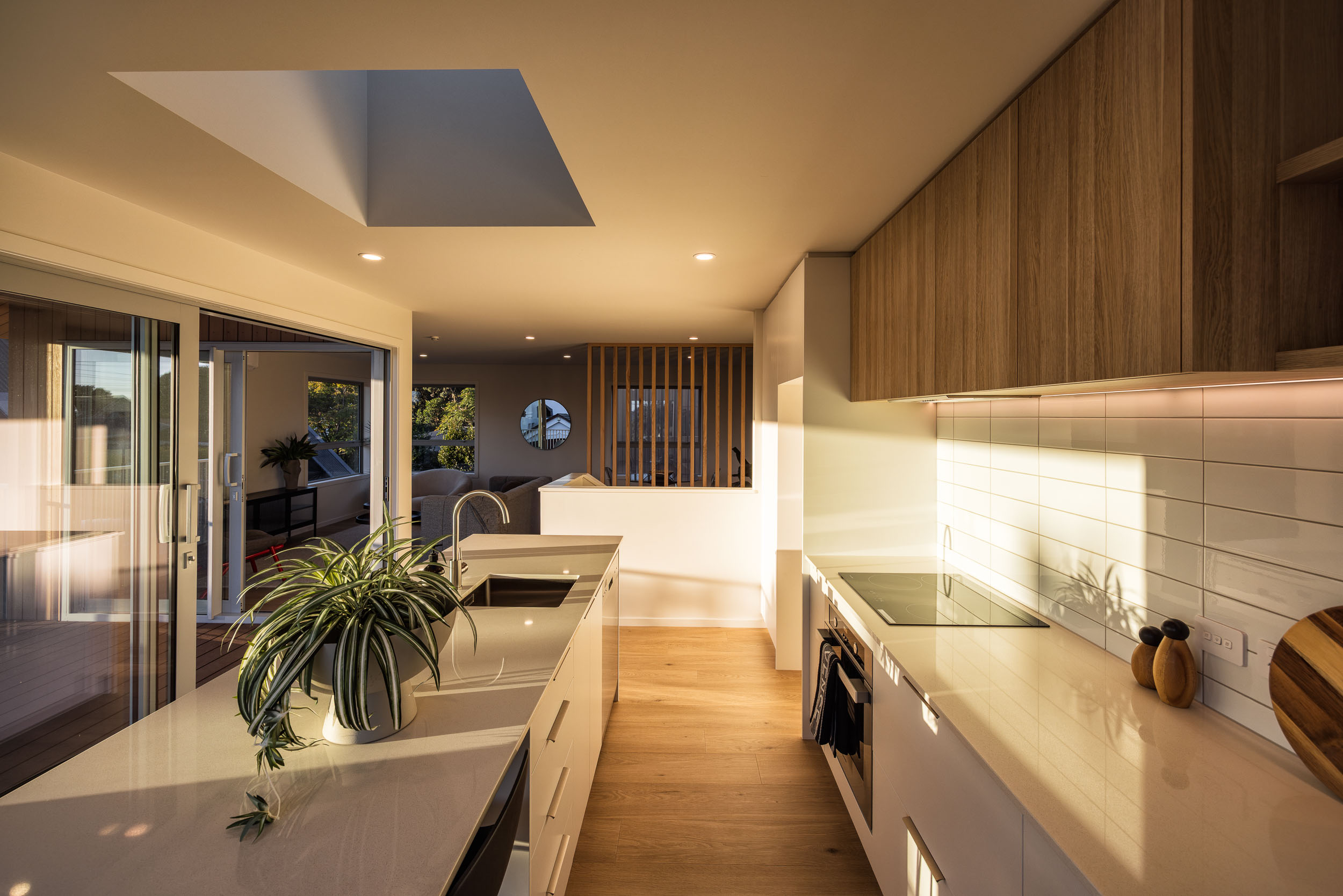

Usually, yes. In the same suburb, a townhouse will generally cost less to buy than a comparable standalone house, and often by enough to change what you can afford and where.
The saving doesn’t come from a lesser home. It comes from how the land is used.
Why townhouses cost less
In Wellington and the Hutt Valley, land is the expensive part of a property. A section in a good suburb costs what it costs, whether one home sits on it or four.
Townhouses spread that cost. Several homes share a site that would otherwise hold a single house, and they share the driveway, the services and the connections that go with it. The land bill and the infrastructure bill get divided rather than carried alone.
The price difference is set by that arithmetic, before anyone has started building.
Cheaper to buy does not mean lesser to live in
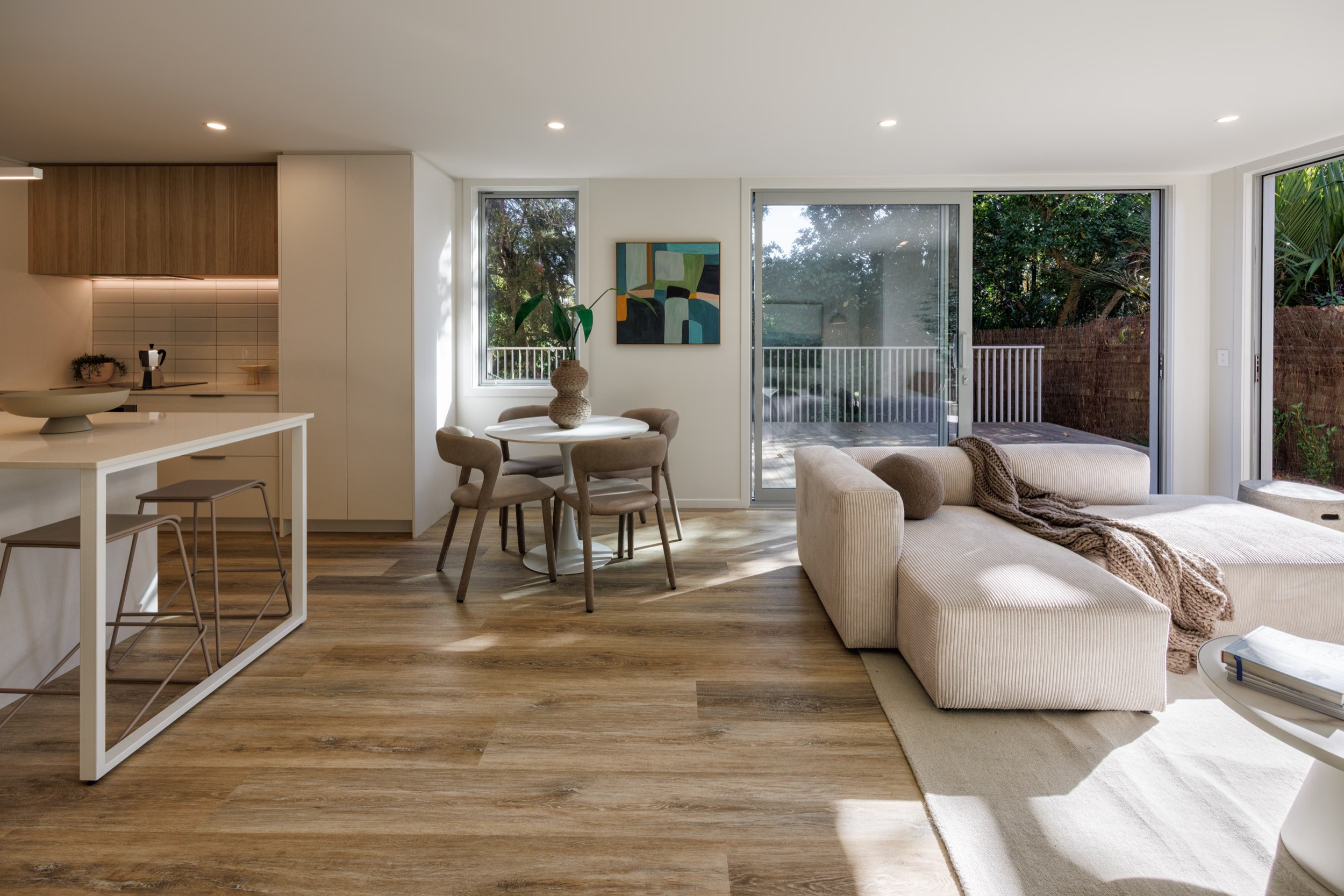
A new townhouse is built to current standards, with current materials, current insulation and a warranty behind it. What costs less is the land underneath it, which is shared across several homes.
Compare it with what the same money buys in an older standalone house and the picture usually flips. The older house comes with a roof approaching the end of its life, wiring from another era, single glazing, and a heating bill to match.
What you are not paying for
The purchase price is only half of what a first home costs you. The other half arrives later, and it is where an older house quietly gets expensive.
Buying new means no renovation budget, no deferred maintenance, and nothing significant to replace in your first decade of ownership. No roof, no rewiring, no drainage, no repiling. Those are the jobs that can cost thousands.
What it costs to run
A modern townhouse is built to current insulation and weathertightness standards and double glazed throughout. It holds its heat, and there is less volume to heat in the first place.
That shows up on the power bill every winter, and it keeps showing up for as long as you own the home. Over a few years the running-cost gap between a new townhouse and an older standalone house is real money, not a rounding error.
Being easier to look after does the same thing in a quieter way. Nothing to repaint, nothing to re-roof, and no section that needs half a day every fortnight.
What a lower price means for your deposit
A lower purchase price means a smaller deposit in dollar terms. The percentage may be the same, but the number you have to save is not.
New builds have also generally been treated differently from existing homes under lending rules, which has meant banks can often lend on a smaller deposit than they would on an older property. There are Kāinga Ora backed low-deposit options for eligible buyers too. Your bank or mortgage broker will confirm what applies to you now.
KiwiSaver then does a lot of the remaining work. If you have been a member long enough and you are buying a home to live in, you can usually withdraw most of your balance towards your deposit.
We have gone through the numbers in how much deposit first home buyers need.
Does the value hold?
Townhouses sit at the more affordable end of most suburbs, which tends to be the part of the market with the most buyers competing. That supports resale when you come to move on.
They also rent well, because the things that make a townhouse easy to live in make it easy to rent: low maintenance, warm, close to transport.
Cheaper to buy, cheaper to run, and sitting in the busiest part of the market when you sell. The price advantage and the value case point the same way.
What the price gap buys you in the Hutt Valley
The practical effect of all this is location.
The difference between a townhouse price and a standalone house price in the same street is often what puts Hutt Central, Waterloo or Avalon inside your budget instead of somewhere further out. You are buying closer in, near the train, inside the school zones you want, in a home that is brand new.
Location is the one thing you cannot improve later. The price gap is what makes a good one affordable on a first-home budget.
If you are weighing up suburbs, we have compared them in Lower Hutt vs Upper Hutt.
Fixed price, so cheaper stays cheaper
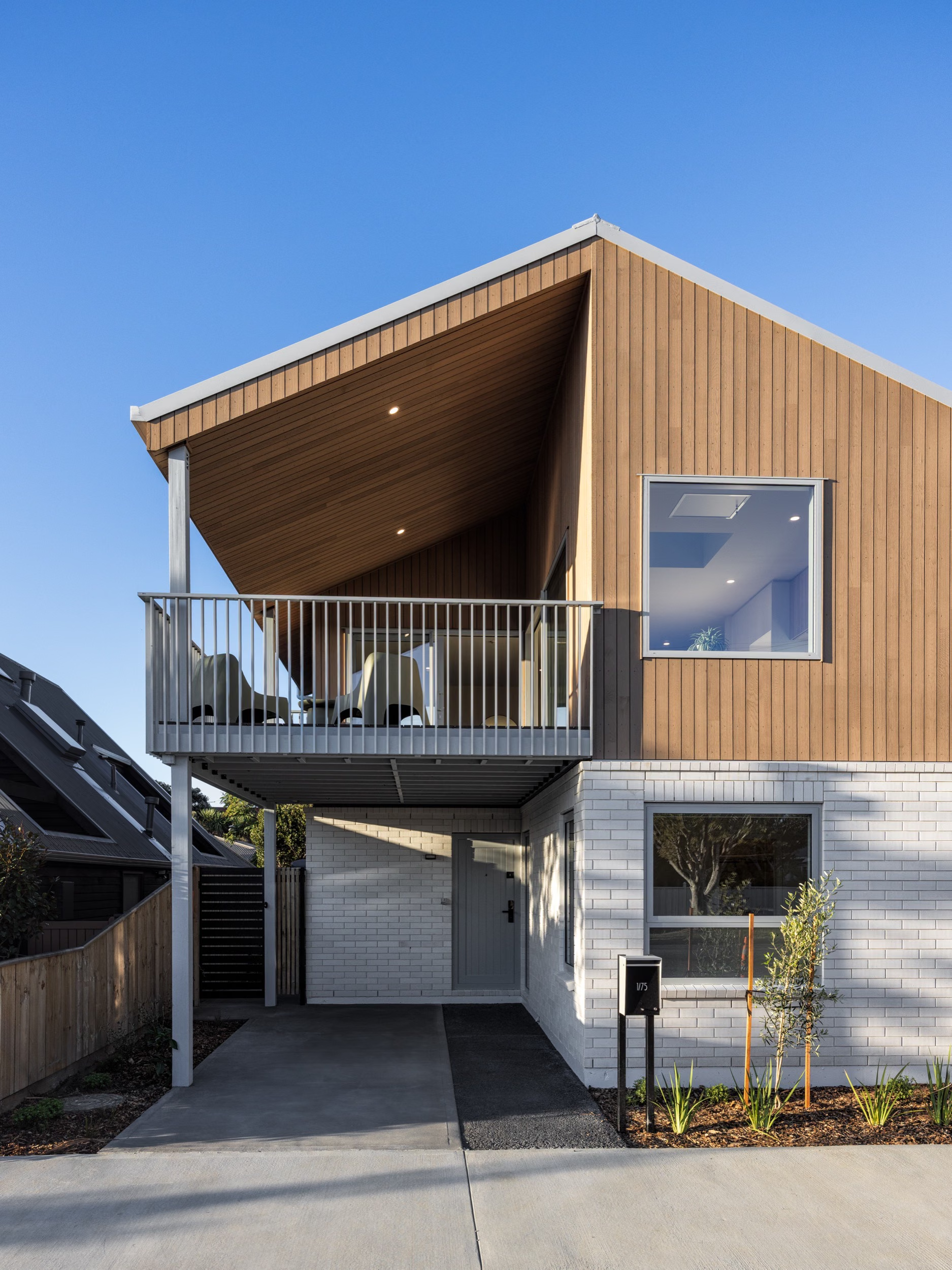
A Faisandier townhouse is sold at a fixed price and fully finished. Kitchen in, flooring down, driveway sealed, landscaping done.
There is no auction, so the price does not climb on the day. There is no staged build funding, so costs do not appear partway through. The price you see is the price you pay, which matters most to the buyer working to a deposit and a pre-approval.
If you want to see what that looks like, our available townhouses are priced and finished, ready to move into.
Common questions
Are townhouses cheaper than standalone houses?
Usually. Townhouses use land efficiently and share infrastructure, so the entry price is lower than a comparable standalone house in the same suburb.
Why are townhouses cheaper?
Land is the expensive part of a property, and a townhouse development shares one site and its infrastructure across several homes. The saving comes from the land and the services, not from a lower-quality home.
Are townhouses expensive to run?
No. A new townhouse is built to current insulation and weathertightness standards and double glazed, with less volume to heat, so power bills are generally lower than an older standalone house of similar bedroom count.
Are townhouses cheaper than apartments?
It depends on location and size. A townhouse usually gives you more floor space, your own front door and your own outdoor space, so the two are compared on different terms rather than on price alone.
Do townhouses go up in value?
They sit at the affordable end of most suburbs, which is the part of the market with the most buyers competing, and that supports resale. Location and build quality drive value in a townhouse the same way they do in a standalone house.
Does a cheaper price mean a smaller deposit?
In dollar terms, yes. A lower purchase price means a smaller deposit to save. New builds have also generally been treated differently under lending rules, and there are Kāinga Ora backed low-deposit options for eligible buyers. Your bank or mortgage broker will confirm what applies to you.
What is the difference between a house and a townhouse?
A townhouse is an attached or semi-detached home, often part of a multi-home development. Townhouses are usually newer, easier maintenance and more affordable than a comparable standalone house in the same street.
Read more customer stories
Explore more resources
Explore more new and updates
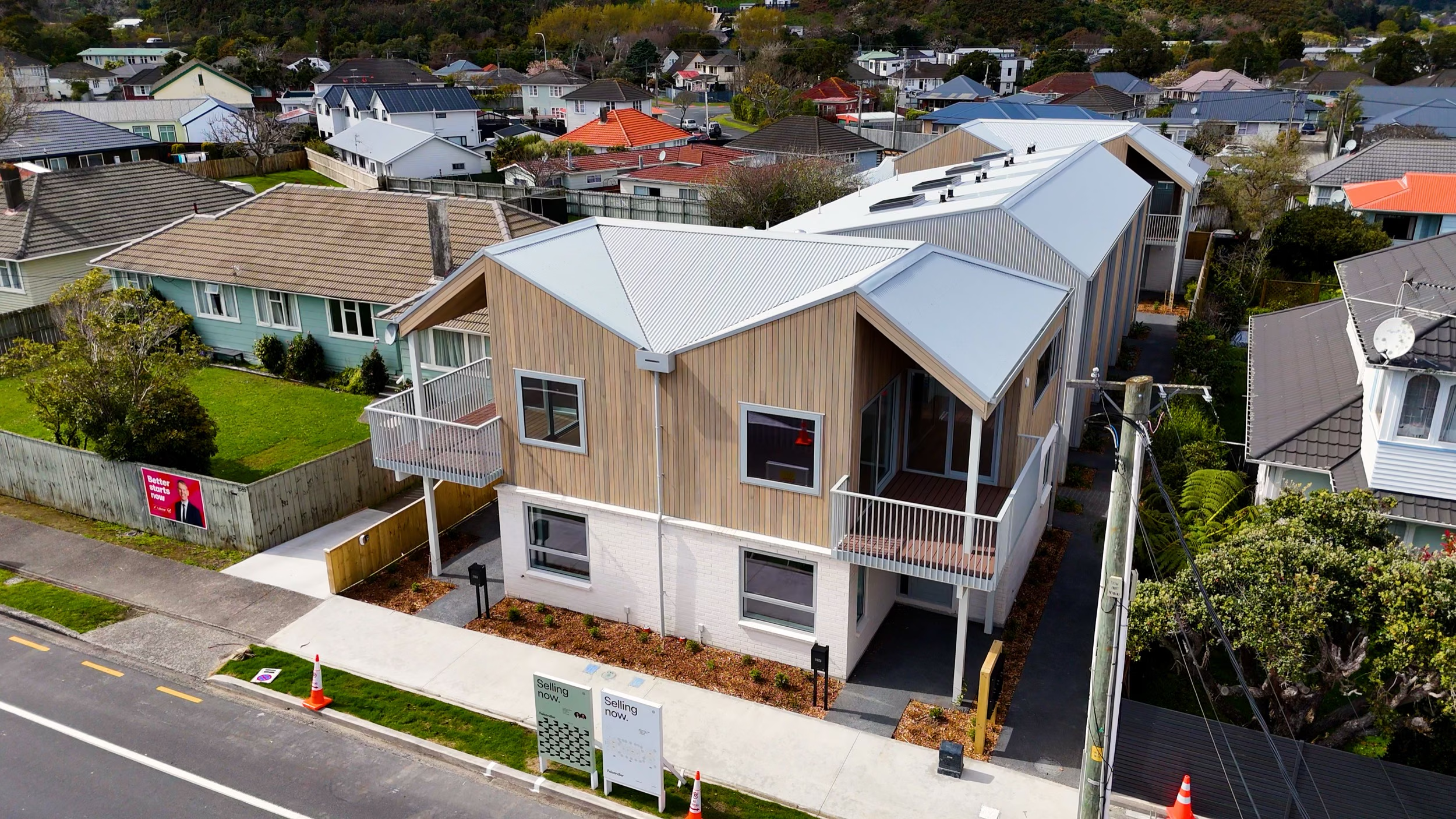
September build update
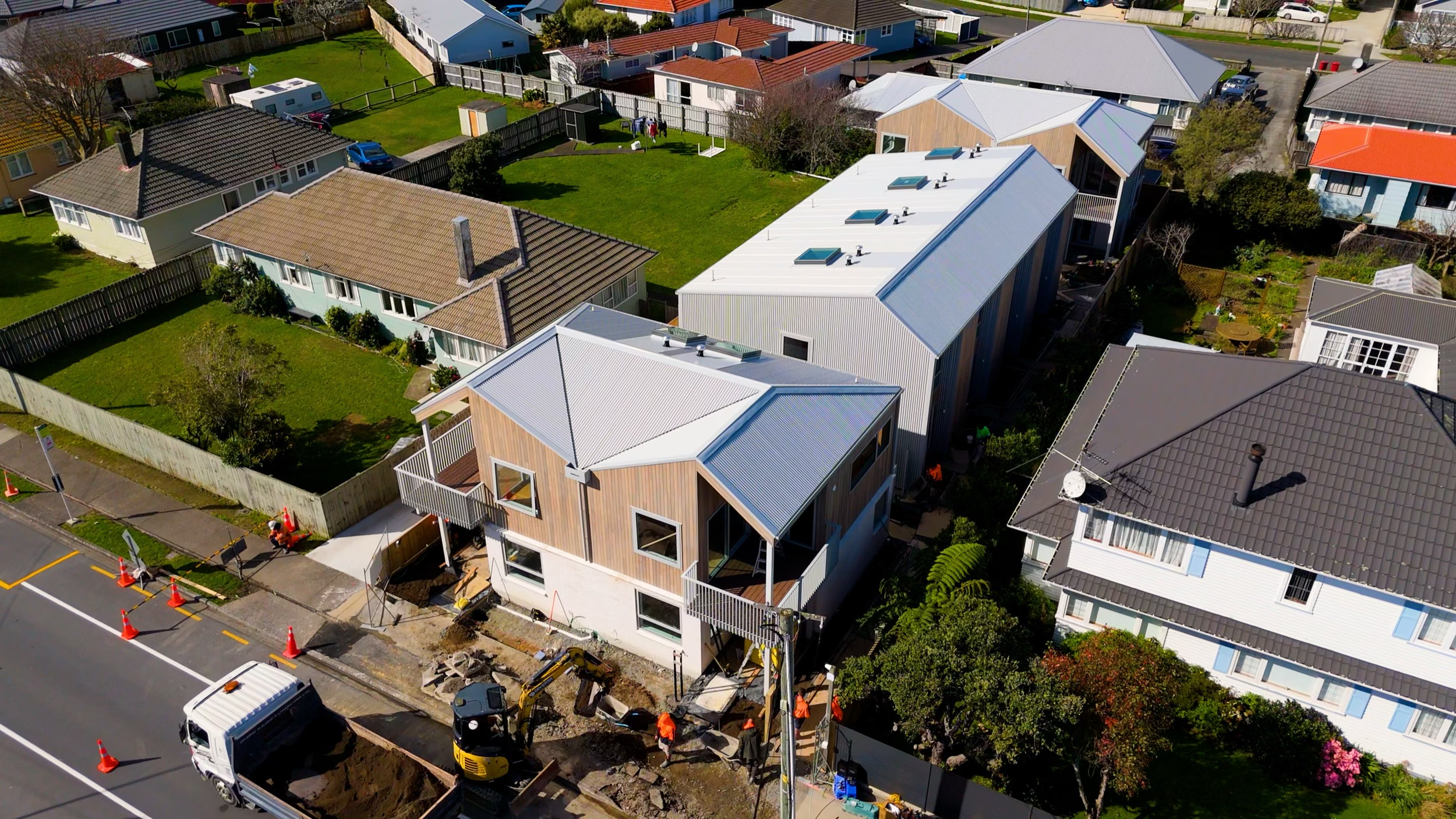
August build update
Is a townhouse a good first home in NZ?
Chat with our team about current availability and start your journey home today.
Contact us