


How do you know it’s time to downsize?


Usually when your home starts costing you more in effort or money than it gives back. There’s no set age to downsize and no single moment that tells you. It tends to arrive as a handful of small things that start to add up.
If a few of the signs below sound like your home, it’s worth looking at what a smaller one could do for you. Looking commits you to nothing.
The house is bigger than your life now
You walk past two or three rooms every day without opening the door. The spare bedrooms hold boxes, the dining table is where the post lands, and the heating only ever goes on in one corner.
Space you don’t use still needs to be cleaned, heated and insured. When most of the house sits empty, it probably suited a different stage of your life.
The upkeep has become a chore
The garden used to be a pleasure. Now it takes most of a Saturday, and the gutters, the fences and the exterior paint are all waiting on you or a tradesperson.
Somewhere along the way the house went from something you enjoy to something you look after.
You’re paying for space you don’t use
Older houses hold less heat than new ones, so a large older home is expensive to keep warm. If you’re heating rooms nobody sits in, you pay for them every winter.
Rates and insurance tend to rise with the size and value of the property too. Add repairs as the house ages, and the cost of staying put can climb faster than you notice.
Stairs, steps and the next twenty years
A house that suits you at 55 can feel different at 75. Stairs, a steep driveway, a long walk to the letterbox and a bath you step over all matter more over time.
Thinking about it early gives you time to choose where you go and when. Waiting until the house forces the decision leaves you with fewer options.
You want to free up some of the money in the house
Many people reach a point where the home is worth far more than they need it to be. Selling a larger house and buying a smaller one can release some of that value for retirement, travel or the family.
How much depends on what you sell for and what you buy, so get a rough figure before you decide anything. We’ve gone through the numbers in what costs to budget for when downsizing.
What if only one or two apply?
Then you may not be ready, and that’s fine. Plenty of people stay in their home for years, and some decide a smaller home isn’t for them.
There’s no benefit in rushing a move you’re unsure about. It helps to know what’s out there before the time comes.
What a smaller home can look like
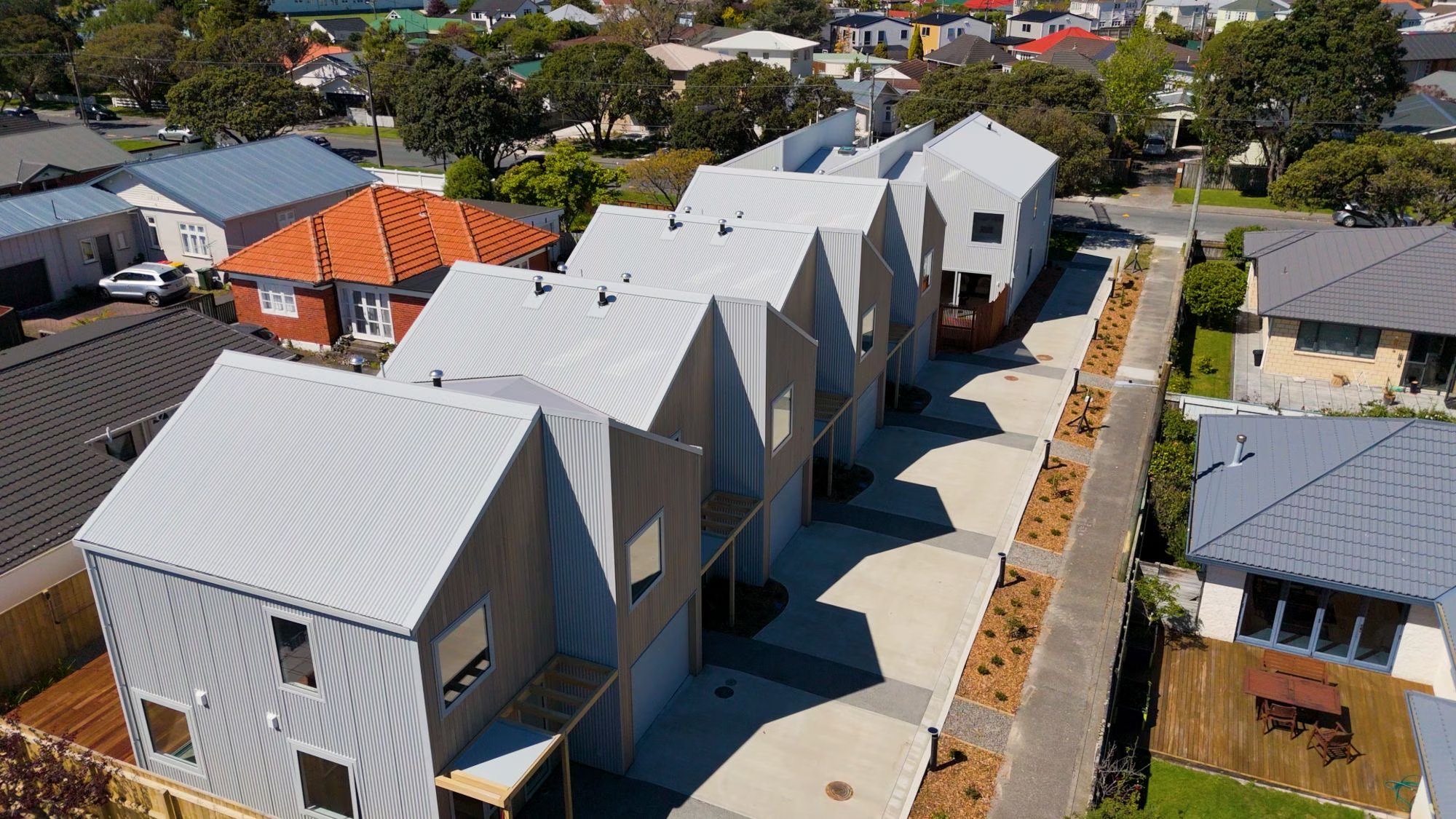
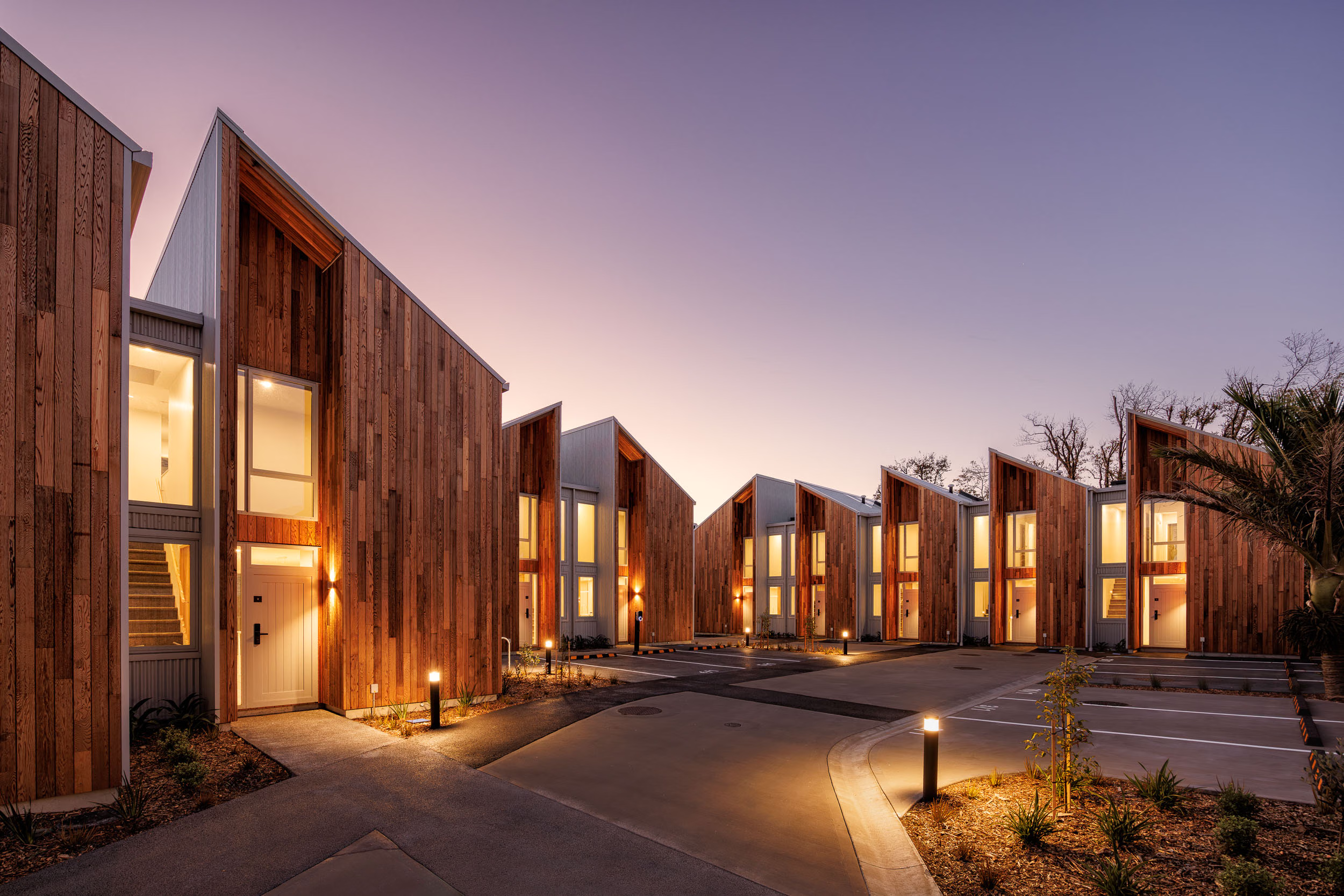
A new townhouse is built to current insulation and weathertightness standards and double glazed throughout. It stays warm through winter without you heating rooms you never use. There’s nothing to repaint, nothing to re-roof, and far less garden to keep up.
Faisandier townhouses are sold finished at a fixed price: kitchen in, flooring down, driveway sealed, landscaping done. You move in without a renovation list.
Layouts vary by development, so if you want everything on one level, check the floor plan. We build across Lower Hutt, Upper Hutt, Stokes Valley and Wellington, so you can often stay close to your doctor, your friends and the neighbourhood you know. If you’re weighing up suburbs, we’ve compared them in Lower Hutt vs Upper Hutt, and we’ve covered what to consider when moving to a smaller home.
Come and have a look
Have a look at our available townhouses, or book a private viewing and ask our team anything.
Common questions
How do you know it’s time to downsize?
When your home costs you more in effort or money than it gives back. Common signs are rooms you no longer use, upkeep that’s become a chore, heating bills for space you don’t need, stairs that are getting harder, or wanting to free up money from the house.
What age should you downsize?
There’s no set age. People downsize in their fifties as well as their seventies. The right time depends on your health, your finances and what you want from the next stage of life.
Should you downsize as you get older?
Moving while you’re well and in control of the decision gives you more choice. If your current home still suits you, there’s no need to move. Talk it over with your family, and get financial advice if money is a factor.
Will I be happier in a smaller house?
For many people, yes, mainly because there’s less to clean, maintain and pay for. What people tend to miss is space for visitors and a garden, so think about what you’d miss before you decide.
Why is downsizing so stressful?
It’s several big decisions at once: selling your home, choosing the next one, sorting a lifetime of belongings and getting the timing right. Breaking it into stages and starting well before you need to move takes most of the pressure off.
What should I know before downsizing?
Start sorting your belongings early, work out the costs of selling and buying before you list, and look at a few homes in person. Check how the timing of your sale and your purchase will line up.
Is a townhouse a good choice for downsizing?
Often, yes. A smaller footprint, less garden and lower upkeep suit most downsizers. The trade-offs are shared walls and some shared costs. Most of our townhouses are freehold with a residents’ society for shared areas like the driveway, while unit title developments have body corporate levies. Layout varies by development, so check the floor plan if you want everything on one level.
What’s the difference between a house and a townhouse?
A townhouse is an attached or semi-detached home, often part of a multi-home development. Townhouses are usually newer, easier to maintain and more affordable than a comparable standalone house in the same street.
More answers on our frequently asked questions page.
Read more customer stories
Explore more resources
Explore more new and updates

Here's Home: 11 Collingwood Street
October build update
What costs should I budget for when downsizing?
Chat with our team about current availability and start your journey home today.
Contact us